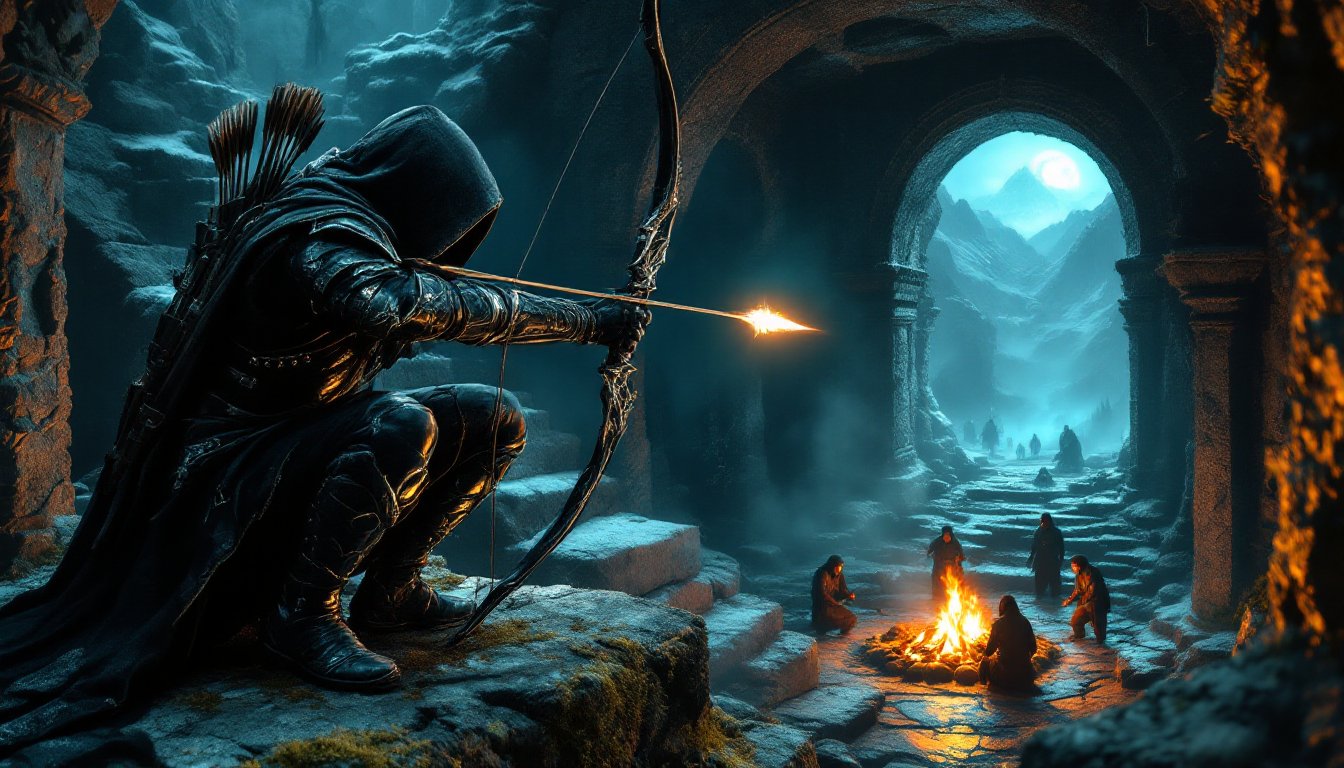
More than a decade after its initial release, Skyrim remains one of the most enduring RPGs ever created. But if you’ve only played the base game, you’re missing out on a huge chunk of content. The official Skyrim expansions add entire questlines, new lands to explore, and game-changing mechanics that make the vanilla experience feel incomplete in retrospect.
Whether you’re a returning Dragonborn or a first-time adventurer trying to figure out which version to buy, understanding the Skyrim DLCs is essential. Does Skyrim Special Edition come with DLC? Which expansion should you tackle first? And are these add-ons still worth your time in 2026? This guide breaks down everything you need to know about the three major Skyrim DLCs, how to access them, and why they’re still considered must-play content after all these years.
Table of Contents
ToggleKey Takeaways
- Skyrim Special Edition includes all three official Skyrim DLCs by default, offering 30-40 hours of additional gameplay without requiring separate purchases.
- Dawnguard introduces vampire mechanics and two opposing faction questlines (Dawnguard vs. Volkihar), with crossbows and the powerful Vampire Lord transformation that makes vampirism viable for combat builds.
- Dragonborn is the largest expansion, featuring the island of Solstheim, dragon riding mechanics, and Miraak as one of Skyrim’s strongest antagonists, making it the must-play DLC for most players.
- Hearthfire lets you build custom homes across three holds, adopt children, and create a family estate, offering deep roleplay and customization options for players who value character immersion.
- Recommended progression suggests starting with Hearthfire anytime for a home base, tackling Dawnguard around level 20-30, and saving Dragonborn for level 25+ to ensure the challenging content feels rewarding.
- All Skyrim DLCs remain essential content in 2026, with proven replayability and community support that keeps them integral to the complete Elder Scrolls experience.
What Are the Official Skyrim DLCs?
Bethesda released three official expansions for Skyrim between 2012 and 2013, each adding distinct features and content to the base game. Understanding the Skyrim DLC list is straightforward: there are three major add-ons, no more, no less.
The three Skyrim expansions are:
- Dawnguard (June 2012) – A vampire-themed expansion with two major faction questlines, new abilities, and crossbows
- Hearthfire (September 2012) – A homestead-building add-on that lets players construct custom houses and adopt children
- Dragonborn (December 2012) – The largest expansion, taking players to the island of Solstheim to face the first Dragonborn, Miraak
These are the only official Skyrim DLCs that Bethesda ever produced. There were no additional story expansions after Dragonborn, though the modding community has created countless unofficial add-ons over the years. All three expansions are now included with Skyrim Special Edition by default, which we’ll cover in detail later.
Each DLC serves a different purpose. Dawnguard offers substantial story content with vampires and the Dawnguard faction. Hearthfire focuses on player customization and roleplay. Dragonborn delivers the meatiest narrative experience with an entirely new landmass. Together, they add roughly 30-40 hours of additional gameplay, depending on your playstyle and completionist tendencies.
Dawnguard: Vampire Hunters and Bloodsucking Lords
Dawnguard was the first major expansion for Skyrim, and it remains one of the most popular. The core premise is simple but effective: a prophecy threatens to blot out the sun, and you must choose between joining the vampire-hunting Dawnguard or siding with the ancient vampire lord Harkon.
Main Questlines and Factions
The expansion introduces two opposing faction questlines that run parallel to each other. Players can join the Dawnguard, a reformed order of vampire hunters based in Fort Dawnguard, or align with Lord Harkon and his Volkihar vampire clan in Castle Volkihar.
Both questlines follow the same overall plot involving the Elder Scrolls and the prophecy of the Tyranny of the Sun, but your perspective and allies shift depending on your choice. The Dawnguard path focuses on hunting down vampires and protecting Tamriel, while the Volkihar path lets you embrace vampirism and potentially fulfill the prophecy.
Key characters include Serana, a pureblood vampire who becomes one of the game’s most beloved followers regardless of which faction you choose. Her voice acting and character development are genuinely impressive, and she remains a fan-favorite companion years later. Isran leads the Dawnguard, while Lord Harkon rules the Volkihar clan with an iron fist.
The main questline takes about 8-12 hours to complete, with additional radiant quests available from both factions after you finish the story.
New Abilities, Perks, and Vampire Lord Transformation
Dawnguard completely overhauls vampirism in Skyrim. The new Vampire Lord transformation is essentially a vampire equivalent to the werewolf form, giving you a unique skillset and appearance.
As a Vampire Lord, you gain:
- Flight and levitation abilities in combat
- A dedicated perk tree separate from your normal character progression
- Unique powers like Vampiric Grip (force choke enemies) and Summon Gargoyle
- Blood magic attacks and life drain spells
The Vampire Lord form makes vampirism viable for combat-focused builds, not just stealth characters. You can toggle between Vampire Lord form and your normal appearance, similar to werewolf transformations.
On the Dawnguard side, there’s no equivalent transformation, but you do get access to unique armored trolls as followers and several vampire-hunting weapons and spells.
Crossbows, Dragon Bone Weapons, and Unique Gear
Dawnguard introduces crossbows to Skyrim, marking the first (and only) ranged weapon type besides bows. Crossbows have unique mechanics:
- Ignore 50% of armor on impact
- Cannot be zoomed while loaded
- Slower reload time than bows, but higher base damage
- Special bolt types including exploding Dwarven bolts
The expansion also adds dragonbone weapons (previously only dragonscale armor existed) and several unique artifacts. Notable gear includes the Auriel’s Bow, a legendary weapon tied to the main quest that can blot out or restore the sun depending on which arrows you use with it.
Dawnguard also introduces new dragon types, including the Legendary Dragon, which was the toughest dragon variant until Dragonborn added its own challenges.
Hearthfire: Build Your Dream Home in Skyrim
Hearthfire is the smallest and most niche of the three Skyrim DLCs. It doesn’t add any major questlines or new lands, instead, it focuses entirely on player housing and family life. If you’re into roleplay and customization, Hearthfire is surprisingly satisfying. If you just want more dungeons to clear, you might find it underwhelming.
Customizable Player Homes and Building Mechanics
Hearthfire lets players purchase plots of land in three different holds: Falkreath, Hjaalmarch (near Morthal), and the Pale (near Dawnstar). Each plot costs 5,000 gold and requires you to complete a small favor for the Jarl.
Once you own land, you can build a homestead from scratch using a new crafting system. You’ll need to gather materials like sawn logs, quarried stone, and clay, then use a carpenter’s workbench to construct different wings of your house.
Each homestead has three customizable wings:
- East Wing options: Kitchen, Library, or Armory
- West Wing options: Enchanter’s Tower, Alchemy Laboratory, or Bedroom
- North Wing options: Trophy Room, Storage Room, or Greenhouse
You can also add exterior features like a stable, smelter, garden plots for growing ingredients, and even an apiary for harvesting bees and honeycomb. The building process is more involved than it sounds, you’ll need specific materials for each component, and gathering everything can take a few hours.
The flexibility is what makes Hearthfire appealing. Want a mage tower with an alchemy lab and enchanting station? You can do that. Prefer a warrior’s lodge with trophy displays and an armory? That works too. For players who enjoy character builds and roleplaying, the customization options add real depth.
Adoption, Family Life, and Homestead Features
Hearthfire also introduces the ability to adopt children. After building a bedroom in your house (or having a child’s bed in any owned home), you can adopt up to two children from various orphanages or off the streets in major cities.
Adopted children will live in your home, and you can interact with them by playing games, giving gifts, or receiving small quests. It’s a small feature, but it adds a cozy domestic element that contrasts nicely with the constant dragon-slaying and dungeon-crawling.
You can also hire a steward to manage your homestead (any follower can be recruited as a steward), a bard for entertainment, and a carriage driver for fast travel. Your spouse can move into your custom home as well, making it a true family estate.
The greenhouse wing deserves special mention. It allows you to grow nearly any plant in the game, including rare ingredients like Jazbay Grapes and Mora Tapinella, making it incredibly useful for alchemists who want sustainable ingredient sources.
Dragonborn: Journey to Solstheim and Face Miraak
Dragonborn is the capstone expansion for Skyrim, and it’s easily the meatiest of the three DLCs. It adds an entirely new landmass, a compelling main antagonist, and some of the most memorable quests and locations in the entire game. If you only play one Skyrim expansion, make it this one.
Exploring the Island of Solstheim
The expansion takes place on Solstheim, an island off the coast of Morrowind that veteran Elder Scrolls fans will recognize from the Bloodmoon expansion for Morrowind. Bethesda did an excellent job recreating the island with updated graphics and new points of interest.
Solstheim is split between ash-covered wastelands in the south (thanks to the eruption of Red Mountain in Morrowind) and frozen tundra in the north. The environmental design is more varied than mainland Skyrim, with giant mushroom trees, Telvanni wizard towers, and Dunmer (Dark Elf) settlements that give the area a distinct Morrowind flavor.
The main hub is Raven Rock, a struggling mining town with a strong Dunmer population. Other notable locations include Tel Mithryn (a Telvanni wizard’s tower), Thirsk Mead Hall (with a questline involving Nords or Rieklings), and the eerie ruins of Castle Karstaag.
Exploring Solstheim reveals secrets tied to ancient Dwemer technology and the island’s complex history. The landscape feels alien compared to Skyrim’s familiar forests and mountains, which is exactly what makes it so compelling.
The First Dragonborn: Miraak’s Story and Boss Battle
The core story revolves around Miraak, the first Dragonborn, who seeks to escape the realm of Apocrypha (Hermaeus Mora’s plane of Oblivion) and return to Tamriel. Miraak has been manipulating the people of Solstheim through mind control, forcing them to build shrines to him.
Miraak is one of the best antagonists in Skyrim. He’s a direct mirror to the player character, another Dragonborn with the same abilities, but corrupted by power and centuries of isolation. His boss battle is appropriately epic, taking place in Apocrypha with Hermaeus Mora himself intervening at key moments.
The questline also involves the Skaal, a Nord tribe native to Solstheim, and their spiritual leader Storn Crag-Strider. The story explores themes of forbidden knowledge, power, and the price of ambition in ways that feel more narratively ambitious than most of Skyrim’s main content.
Completing the Dragonborn main quest takes about 10-15 hours, but the island has plenty of side content that can easily double that playtime.
Dragon Riding, New Shouts, and Black Books
Dragonborn introduces several game-changing mechanics. The most visually impressive is dragon riding, after completing the main quest, you can use the Bend Will shout to tame and ride dragons. It’s more of a novelty than a practical feature (fast travel is still faster), but it’s undeniably cool.
The expansion adds numerous new shouts, including:
- Bend Will – Control dragons and people
- Cyclone – Create a tornado to fling enemies
- Dragon Aspect – Transform into a spectral dragon knight with boosted stats
- Battle Fury – Grant allies enhanced attack speed
The Black Books are a highlight. These seven Lovecraftian tomes scattered across Solstheim transport you to Apocrypha, Hermaeus Mora’s realm of infinite knowledge. Each book leads to a unique dungeon filled with seekers, lurkers, and environmental hazards.
Completing a Black Book grants a permanent perk that can be swapped by revisiting the book. Options include:
- Unlocking a fourth crafting perk point per skill
- Choosing between three different Mora’s Boon effects (extra gold, better loot, or bonus skill experience)
- Gaining the Secret of Arcana (unlimited magicka for 30 seconds)
These perks add meaningful build options and reward thorough exploration. Gathering materials from Apocrypha also makes the effort feel worthwhile for players hunting unique gear and weapons.
Unique Weapons, Armor, and Crafting Materials
Dragonborn is packed with unique loot. New armor sets include:
- Chitin Armor – Light armor crafted from Netch hides
- Bonemold Armor – Medium-weight armor with a Morrowind aesthetic
- Nordic Armor – Heavy armor resembling ancient Nord designs
- Deathbrand Armor – A legendary Stalhrim pirate set with powerful enchantments
Weapons include Bloodskal Blade (shoots energy waves), Champion’s Cudgel (chaos damage warhammer), and the Miraak’s Sword and Staff. Dragonborn also introduces Stalhrim, a rare enchanted ice material that boosts frost enchantments by 25%.
The crafting additions alone make Dragonborn essential for players who enjoy min-maxing their builds. Combined with the story and exploration, it’s the most complete expansion package of the three.
Which Skyrim DLC Should You Play First?
If you’re starting a new playthrough or jumping into the DLCs for the first time, pacing matters. Each expansion is designed to be accessible at different points in your character’s progression.
Recommended Level Ranges for Each Expansion
Bethesda designed each DLC with rough level ranges in mind:
- Hearthfire: No level requirement. You can start building your homestead as soon as you have 5,000 gold and complete a simple quest for a Jarl. Many players begin Hearthfire early to establish a base of operations.
- Dawnguard: Starts at level 10. You’ll receive a quest prompt to investigate the Dawnguard after reaching this threshold. The early quests are manageable at level 10, but the later encounters (especially Legendary Dragons) are balanced for level 20-30 characters.
- Dragonborn: Starts around level 15-20. Cultists will ambush you in a major city, kicking off the questline. The enemies on Solstheim are noticeably tougher than mainland Skyrim, and Miraak himself is a serious challenge for under-leveled characters.
From a difficulty perspective, Hearthfire has no combat, Dawnguard is moderately challenging, and Dragonborn is the hardest of the three. If you want a seamless process, wait until level 25-30 before tackling Dragonborn’s main quest.
Story Progression and DLC Order
There’s no strict canonical order for playing the Skyrim DLCs, but a logical progression exists:
- Hearthfire – Start anytime. Building your homestead is a side activity that doesn’t interfere with other questlines. It’s nice to have a custom house ready before you recruit followers from across Skyrim.
- Dawnguard – Tackle this after completing the main quest or at least reaching the Throat of the World in the main story. Dawnguard references dragons and the Elder Scrolls, so having that context makes the story land better.
- Dragonborn – Save this for last. The expansion serves as a natural epilogue to Skyrim’s main quest, dealing with themes of legacy and what it means to be Dragonborn. Playing it after defeating Alduin makes the confrontation with Miraak feel more meaningful.
That said, you can jump into any DLC in any order. The quests are self-contained, and Skyrim’s open-ended design supports non-linear play. If you want to ignore the main quest and become a vampire lord at level 15, go for it.
How to Access and Install Skyrim DLC
Getting access to the Skyrim expansions is straightforward in 2026, but the process varies depending on which version of the game you own.
Special Edition vs. Legendary Edition: What’s Included?
Here’s where things get simple: Skyrim Special Edition comes with all three DLCs included by default. When Bethesda released the Special Edition in 2016, they bundled Dawnguard, Hearthfire, and Dragonborn into the base package. If you’re buying Skyrim for the first time in 2026, you’re almost certainly getting Special Edition, which means you already own all the expansions.
Skyrim Legendary Edition was the previous all-in-one package released for the original 2011 version of Skyrim. It also includes all three DLCs, but runs on the older engine (32-bit, no 64-bit optimizations, less stable with heavy modding). Legendary Edition is no longer sold on most storefronts, having been replaced by Special Edition.
So, does Skyrim Special Edition come with DLC? Yes. All of it. You don’t need to purchase anything separately.
If you somehow own the original 2011 version of Skyrim without any expansions, you can still purchase the DLCs individually on Steam or console marketplaces, though this is increasingly rare and generally not recommended. Just upgrade to Special Edition instead, it’s cheaper and runs better.
Platform-Specific Installation Instructions
PC (Steam):
If you own Skyrim Special Edition on Steam, the DLC is automatically installed with the base game. No additional steps required. Launch the game, and all expansion content will be available.
For modders using tools from Nexus Mods, ensure your mod manager (Mod Organizer 2 or Vortex) recognizes all three DLC files: Dawnguard.esm, Hearthfire.esm, and Dragonborn.esm.
PlayStation (PS4/PS5):
Skyrim Special Edition on PlayStation includes all DLC by default. Simply install the game from disc or download it from the PlayStation Store. All content is accessible immediately after installation.
Note that PlayStation mod support is more limited than other platforms due to Sony’s restrictions on external assets.
**Xbox (Xbox One/Series X
|
S):**
Like other platforms, Skyrim Special Edition on Xbox includes all expansions. Download from the Microsoft Store or install from disc, and you’re set. Xbox has robust modding support, making it the best console platform for extending Skyrim’s content.
Nintendo Switch:
The Switch version of Skyrim is based on Special Edition and includes all three DLCs. There’s no modding support, but all official content is present. Motion controls and portability make the Switch version a unique way to experience the expansions.
Starting the DLC Quests:
Once installed, each expansion triggers automatically when you meet certain conditions:
- Dawnguard: At level 10, guards will mention rumors about the Dawnguard, and an NPC named Durak may approach you in cities.
- Hearthfire: Speak to the Jarl of Falkreath, Morthal, or Dawnstar to purchase land.
- Dragonborn: After reaching level 15-20, cultists will attack you in a major city, carrying a note that starts the quest.
You can also manually start Dawnguard by traveling to Fort Dawnguard southeast of Riften, and Dragonborn by sailing to Solstheim from Windhelm’s docks.
Are the Skyrim DLCs Worth It in 2026?
Fifteen years after Skyrim’s release, the question of whether the DLCs are still worth playing has a pretty clear answer: yes, absolutely. But let’s break down why.
Content Hours and Replayability Value
Collectively, the three Skyrim expansions add 30-40 hours of content for completionists, and 15-20 hours if you’re just blasting through the main quests. That’s substantial for DLC, especially considering the replay value.
Breakdown by expansion:
- Dawnguard: 8-12 hours for the main quest, plus radiant quests and exploration. The vampire/Dawnguard choice offers replay value with two distinct perspectives on the same events.
- Hearthfire: 2-5 hours to build and fully furnish all three homesteads. Ongoing value for players who enjoy roleplay and customization.
- Dragonborn: 10-15 hours for the main quest and major side content. Solstheim is dense with secrets, and completionists can easily spend 20+ hours exploring every corner.
For context, that’s more content than many full-priced indie games. The fact that it’s all included with Skyrim Special Edition in 2026 makes it an incredible value proposition.
Replayability is where the DLCs truly shine. Multiple playthroughs with different character builds reveal new approaches. A stealth archer might breeze through Dawnguard’s dungeons, while a melee character will have a completely different experience. Choosing opposite factions (Dawnguard vs. Volkihar) provides narrative variation. And discovering hidden details scattered throughout Skyrim’s lore and world-building keeps veterans engaged.
Community Reception and Critical Reviews
Dawnguard received positive reviews at launch (Metacritic scores in the mid-70s to low-80s), with praise for its atmosphere, vampire mechanics, and Serana’s characterization. Criticisms focused on repetitive dungeon design and the Dawnguard faction feeling less fleshed out than the Volkihar side. Over time, community consensus has settled on Dawnguard as a solid, if not groundbreaking, expansion.
Hearthfire was more divisive. Critics noted its small scope and lack of narrative content, but players who enjoy Sims-style customization and roleplay embraced it. It’s aged well, in 2026, the homestead mechanics are still deeper than most AAA game housing systems. Outlets like Eurogamer noted that Hearthfire’s appeal is entirely dependent on your playstyle.
Dragonborn is universally regarded as the best of the three expansions. Review scores were consistently in the 80s, and fan reception remains enthusiastic. Miraak is considered one of Skyrim’s strongest antagonists, and Solstheim’s environmental variety is a breath of fresh air after hundreds of hours in mainland Skyrim. The Black Books, dragon riding, and Lovecraftian atmosphere set it apart.
In 2026, all three DLCs benefit from hindsight. They’re no longer judged as $10-20 add-ons but as integral parts of the complete Skyrim experience. The modding community has also built on their foundations, countless mods expand Dawnguard’s factions, enhance Hearthfire’s building system, or add new content to Solstheim.
If you’re playing Skyrim in 2026 and skipping the DLCs, you’re missing essential content. They’re not optional extras anymore: they’re part of the definitive version of the game. Whether you’re exploring hidden corners of Skyrim’s world or diving into the story of what Skyrim is really about, the expansions enhance every aspect of the experience.
Conclusion
The Skyrim DLCs aren’t just add-ons, they’re essential expansions that round out one of the most influential RPGs ever made. Dawnguard delivers vampire lore and factional conflict. Hearthfire provides homestead customization and cozy roleplay moments. Dragonborn offers an entirely new land, a compelling antagonist, and some of the best quests in the entire game.
In 2026, the question isn’t whether the DLCs are worth it, they’re bundled with Skyrim Special Edition by default, making them part of the core package. The real question is which one to play first, and the answer depends on your level, playstyle, and what you’re looking for. Start with Hearthfire if you want a home base, jump into Dawnguard if you’re ready for vampire drama, and save Dragonborn for when you’re leveled up and ready to face the first Dragonborn.
Fifteen years later, Skyrim’s expansions still hold up. Whether you’re a returning player revisiting Tamriel or a newcomer experiencing it for the first time, the Skyrim DLCs are part of what makes this game a timeless classic.