Few Skyrim encounters match the gut-punch terror of your first giant encounter. You’re wandering the tundra, minding your business, when a towering figure appears through the mist. Before you can process what’s happening, you’re airborne, launched into the stratosphere by a club the size of a small tree. Welcome to the Giant Space Program, where physics go to die and players learn respect.
Giants aren’t just meme-worthy enemies. They’re legitimate threats at low levels, skill checks mid-game, and walking loot pinatas once you’ve got the build to take them down. Whether you’re hunting that sweet Giant’s Toe for alchemy gold or just want revenge for that first humiliating launch, understanding these massive herders is essential for any Dragonborn worth their septims.
This guide breaks down everything about Skyrim’s giants, where they spawn, how to fight them without becoming a satellite, what loot they drop, and the secrets Bethesda tucked into their AI. Let’s get into it.
Table of Contents
ToggleKey Takeaways
- The Giant Space Program—the infamous launch mechanic—occurs when a Skyrim giant lands a power attack, launching players vertically due to a physics engine quirk that Bethesda chose to keep as a beloved feature.
- Giants in Skyrim are non-aggressive unless provoked, preferring to herd mammoths peacefully, but become serious threats at low levels and valuable training dummies once you develop appropriate builds and gear.
- Giant’s Toe alchemy ingredients are the most profitable farming source in Skyrim, with potions selling for 1,500–2,000 gold at high Alchemy skill when combined with wheat or other ingredients.
- Fighting giants requires level-based strategies: avoid them entirely below level 15, use terrain exploitation and followers at levels 15–20, and employ heavy armor blocking, ranged tactics, or destruction magic spells at level 20+.
- The Cursed Tribe quest reveals that giants have intelligence and can be manipulated, offering the reward of Volendrung—one of the best two-handed weapons—for defeating the giant chief Gularzob.
- Mammoths and giants operate as a symbiotic faction where attacking either species immediately aggros the other, making simultaneous fights against multiple giants and mammoths one of Skyrim’s toughest open-world encounters.
What Are Giants in Skyrim?
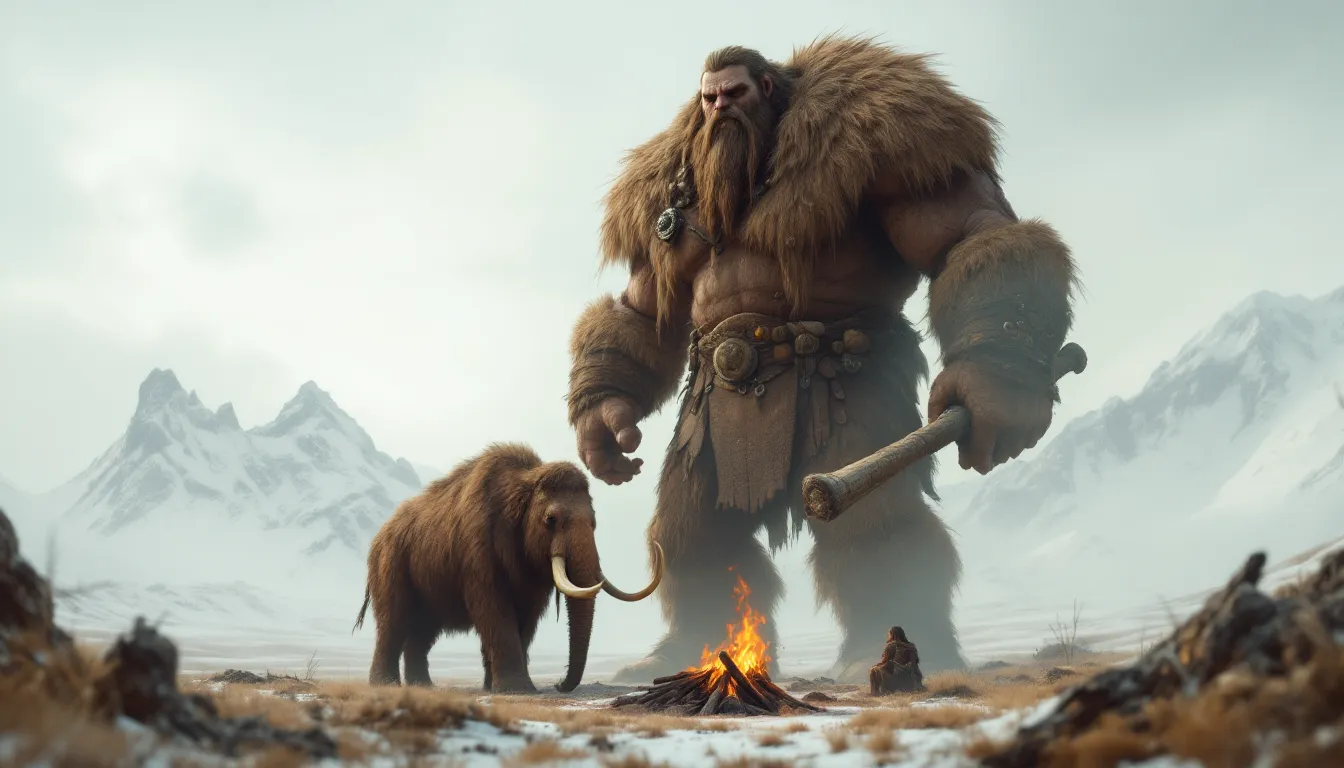
Giants are exactly what the name suggests: massive humanoids standing roughly 11-12 feet tall, making them the largest non-dragon humanoid creatures in Skyrim. They’re peaceful unless provoked, preferring to herd their mammoths and mind their business across Skyrim’s plains and tundra.
Introduced as part of the base game across all platforms (PC, PS3/PS4/PS5, Xbox 360/One/Series X
|
S, and Nintendo Switch via the Special Edition and Anniversary Edition), giants have remained largely unchanged since Skyrim’s 2011 launch. Their AI and combat mechanics have only received minor tweaks through unofficial patches.
Physical Characteristics and Behavior
Giants are built like walking mountains wrapped in primitive leather and fur. Their most distinctive feature is the massive club they wield, essentially a tree trunk with wrappings, and their hunched, powerful physique. They move slowly but deliberately, and their animations give them a surprisingly lifelike quality as they tend their herds.
Behaviorally, giants follow a simple but effective AI pattern. They’re non-aggressive unless you:
- Attack them or their mammoths directly
- Get too close to their camps (roughly 20-30 feet depending on terrain)
- Steal from the chests at their campsites
- Attack them with area-of-effect spells even accidentally
If you keep your distance and avoid their territory, giants will completely ignore you. You can even walk relatively close if you’re careful, though pushing your luck is how you earn a trip to the Throat of the World, without climbing.
Giants don’t speak any known language and show no interest in civilization. They’re nomadic herders who’ve perfected a symbiotic relationship with mammoths, which they protect fiercely.
Giants’ Role in Skyrim’s Lore and Culture
In Skyrim’s deeper lore, giants represent an ancient race that predates most of the current civilizations. They’re not mindless beasts, they’ve developed their own primitive culture centered around mammoth herding and seasonal migration patterns.
The Nords have a complicated relationship with giants. While most avoid them, there’s a grudging respect for their strength and territorial nature. Some old Nord tales reference giants as the “First Shepherds” of Skyrim, suggesting they’ve been herding mammoths since before the first human settlements.
Companions and the Jarls generally leave giants alone unless they threaten trade routes or settlements. The giant camps scattered across Skyrim serve as natural borders that even bandits respect. There’s an unspoken rule: don’t mess with the giants unless you’re ready for the consequences.
One quest, “The Cursed Tribe,” directly involves giant aggression and reveals that giants can be manipulated through curses, suggesting they’re more than simple animals. They have enough intelligence to hold grudges, coordinate attacks, and maintain established territories across generations.
Where to Find Giants in Skyrim
Giants aren’t hard to find once you know where to look. They favor open terrain where their mammoths can graze, typically avoiding dense forests, mountains, and civilized areas. If you’re hunting giants, the tundra and plains are your best bet.
Giant Camp Locations Across the Map
Skyrim features roughly 10-12 named giant camps scattered across the map, plus several unmarked locations where giants and mammoths spawn dynamically. Here are the most reliable camps:
Major Giant Camps:
- Bleakwind Basin – Just southwest of Whiterun, this is often the first giant camp new players encounter. Two giants, multiple mammoths, and accessible loot.
- Sleeping Tree Camp – Southwest of Whiterun near the Reach border. Unique for the strange glowing tree (tied to a quest) and typically hosts two giants.
- Cradlecrush Rock – West-central map near Mor Khazgur. Features in “The Cursed Tribe” quest with aggressive giants.
- Secunda’s Kiss – East of Whiterun, near Valtheim Towers. Usually one giant and a small mammoth herd.
- Stonehill Bluff – Near Dawnstar, featuring two giants and excellent visibility for ranged combat.
- Red Road Pass – Between Whiterun and Rorikstead. One giant, decent loot chest.
- Talking Stone Camp – Northwest of Riften near the hot springs. Two giants and mammoths.
Each camp features a central fire pit, primitive structures, and at least one chest containing leveled loot. The chests respawn after 30 in-game days, making giant camps decent farming spots for gold and items.
Mammoth Herds and Giant Territory
Mammoths and giants are inseparable. Where you find mammoths, you’ll almost always find a giant nearby, and vice versa. Mammoths serve as both livestock and companions, and giants will defend them as aggressively as they defend their camps.
Mammoth behavior matters because attacking a mammoth immediately aggros any nearby giant. Some players try to snipe mammoths from range for their tusks, only to discover the hard way that the giant was watching.
Giants roam in predictable patterns around their camps, typically staying within a 100-200 meter radius. During the day, they often follow their mammoth herds as they graze. At night, they tend to stay closer to the camp fire. This routine makes them somewhat predictable for players who want to engage on their terms.
Certain areas like the tundra between Whiterun and Rorikstead see multiple giant territories overlapping, which can result in encountering 3-4 giants in quick succession if you’re not careful. The plains west of Whiterun are particularly dense with giant activity, making fast travel a safer option if you’re under-leveled.
Understanding Giant Combat Mechanics
Giants hit like a freight train powered by dragon souls. Their combat mechanics are deceptively simple but brutally effective, especially against unprepared players.
Attack Patterns and the Infamous Space Program
Giants use a single attack animation: an overhead club smash that takes about 2 seconds to wind up. It’s telegraphed clearly, but the hitbox is generous and the damage is catastrophic. What makes this attack legendary isn’t just the damage, it’s the physics glitch.
When a giant’s club connects, the game applies massive knockback force. Due to a physics engine quirk that Bethesda famously decided to keep, this knockback doesn’t just push you backward, it launches you vertically at absurd speeds. Players have recorded launch heights exceeding 1,000 feet, earning the phenomenon its nickname: the Giant Space Program.
The space launch isn’t guaranteed on every hit. It occurs most frequently when:
- You’re at low health (under 50%)
- The giant lands a power attack (triggered randomly in their attack pattern)
- You’re hit while standing still or moving toward the giant
Dodging the attack requires good timing. The 2-second wind-up gives you a window to sidestep, roll (if you have the perk), or backpedal out of range. Giants can’t adjust their aim mid-swing, so lateral movement is your friend.
Giants have no ranged attacks and no alternate attack patterns. If you maintain distance, they’re completely harmless. They will pursue targets up to about 200 meters from their camp before giving up and returning.
Giant Health, Damage, and Level Scaling
Giant stats scale with player level, but they start with a baseline that makes them dangerous even to mid-level characters. Here’s what you’re up against:
Base Giant Stats (Level 30+):
- Health: 700-1,000 HP (scales with level)
- Stamina: 200-300
- Magicka: 10 (they don’t cast spells)
- Melee Damage: 120-180 per hit (level-dependent)
- Power Attack Damage: 200-300+ (this is the space launcher)
- Armor Rating: Moderate (roughly 150-200)
Giants scale from approximately level 15 to level 60. Early-game giants (levels 15-25) deal around 60-100 damage per hit, which can still one-shot low-armor builds. Late-game giants (levels 50+) deal upward of 200 damage, making them threats even at high levels if you’re not blocking or mitigating damage.
They’re weak to magic across the board, with no elemental resistances. Fire, frost, and shock spells all deal full damage. They have moderate physical resistance due to their thick hide, but nothing that heavy weapons or high-level bows can’t penetrate.
Interestingly, many build optimization guides recommend testing DPS against giants because their high HP pools and predictable behavior make them excellent training dummies once you’ve got the level to survive their hits.
How to Defeat Giants: Level-Based Strategies
Fighting giants requires different approaches depending on your level, build, and gear. Rushing in unprepared is how you get a scenic view of Tamriel from 1,000 feet up.
Early Game Tactics (Levels 1-20)
Bottom line: don’t fight giants at low levels unless absolutely necessary. If a quest requires it, use cheese tactics because “fair fights” against giants below level 15 are suicide missions.
Cheese Strategies That Work:
-
Terrain Exploitation – Find rocks, trees, or structures the giant can’t path around. Giants have poor pathfinding for vertical obstacles. Get on a large rock and pelt them with arrows or spells. They’ll attempt to close distance but often get stuck trying to path.
-
Follower Tank + Kiting – Recruit a follower who can tank damage like Lydia or Uthgerd. Let them absorb the giant’s attention while you stay at max range with a bow or destruction magic. Healing your follower between giant swings keeps them alive.
-
Mounted Hit-and-Run – If you have a horse, you can outpace a giant easily. Ride in, land a few hits, gallop away before they swing. Repeat until dead. It’s tedious but safe.
-
Illusion Magic – Fury or Frenzy spells (if your Illusion is high enough) can turn giants against their mammoths or nearby enemies. This rarely works solo but can create openings.
Weapons and Spells for Low Levels:
- Long Bow or better with Iron/Steel arrows (minimum)
- Flames or Firebolt for mages (frost works too but slower kill time)
- Health potions – bring at least 10. One hit = instant death, so if you survive any contact, chug immediately.
Mid to Late Game Approaches (Levels 20+)
Once you hit level 20+ with decent gear, giants transition from “avoid at all costs” to “challenging but manageable.” You can finally fight them semi-fairly.
Melee Strategy:
- Heavy Armor + Shield – Block their power attacks with a shield (requires 80+ block skill for reliable stagger). Without a shield, dodge roll or sidestep is mandatory.
- Two-Handed Weapons – Warhammers and greatswords with 80+ damage can stagger giants if you land power attacks. Use Elemental Fury shout for faster swings.
- Attack Windows – Wait for their swing, dodge, then get 2-3 hits in before backing off. Never trade blows: you’ll lose.
Ranged Strategy:
- Ebony Bow or better with Ebony/Daedric arrows. Sneak attack from stealth for 3x damage (6x with perks).
- Destruction Mages – Dual-cast Fireball or Incinerate melts giants. Their low magicka resistance means spell damage is highly effective. Keep distance and keep casting.
- Slow Time shout – Gives you safe attack windows and trivializes dodging their swings.
Optimal Tactics:
Many experienced players reference strategies from comprehensive combat guides that emphasize maintaining spacing and using staggers. The key is respecting the giant’s range and never getting greedy with extra hits.
Best Weapons, Spells, and Builds for Fighting Giants
Top Weapons:
- Daedric Warhammer (28 base damage, 27 weight) – Highest stagger potential
- Dragonbone Greatsword (25 base damage) – Faster swing speed than warhammers
- Ebony Bow (17 base damage) – Best balance of damage and availability
- Auriel’s Bow (13 base damage, but special effects) – Effective with Sunhallowed arrows
Top Spells:
- Incinerate (Master Destruction) – 90 fire damage, fastest giant kill for mages
- Lightning Storm (Master Destruction) – Continuous damage, good for tracking
- Ice Storm (Expert Destruction) – 40 frost damage + slow effect, gives you kiting advantage
Best Builds for Giant Hunting:
- Stealth Archer (classic for a reason) – Sneak attack bonuses + range = safe kills. Boring but effective.
- Heavy Armor Tank – Block perks + Shield Charge + one-handed weapon. Face-tank their hits and outlast them.
- Destruction Mage – Dual-casting with Impact perk staggers giants infinitely. Keep them stun-locked until dead.
- Two-Handed Berserker – Orc racial + Elemental Fury shout + Daedric warhammer = giant stunlock from pure DPS.
No matter your build, bring Healing potions and Stamina potions (for dodging and power attacks). Giants don’t have complex mechanics, so winning is about execution and stat-checking their damage output.
Giant Loot and Rewards
Giants drop some of the most valuable alchemy ingredients in Skyrim, making them lucrative targets once you can reliably kill them. Their camps also contain decent gold and leveled loot.
Giant’s Toe: Value and Alchemy Uses
The Giant’s Toe is the single most valuable alchemy ingredient in the base game by weight. Each giant drops exactly one Giant’s Toe, with a base value of 20 gold but worth far more in potion form.
Alchemy combinations with Giant’s Toe:
- Giant’s Toe + Wheat + Creep Cluster = Potion of Fortify Health (value: 1,000+ gold at high Alchemy skill)
- Giant’s Toe + Wheat = Simple Fortify Health potion (value: 500+ gold)
- Giant’s Toe + Hanging Moss = Damage Stamina + Fortify Health (value: 600+ gold)
These potions are the bread and butter of Alchemy-based gold farming. With Alchemy at 100 and relevant perks, a single Giant’s Toe potion can sell for 1,500-2,000 gold. This makes giant farming one of the most profitable activities in Skyrim.
Giant’s Toe also weighs only 0.5, meaning you can hoard dozens without encumbrance issues. If you’re running an alchemy build, killing every giant you encounter pays dividends.
Other Drops and Camp Treasures
Beyond the Giant’s Toe, giants themselves don’t drop much:
- Gold (20-50 per giant)
- Occasionally, gems (rubies, emeralds, diamonds if high level)
The real value is in giant camp chests. Every camp has at least one wooden chest containing:
- 100-300 gold
- Leveled weapons and armor (can include enchanted items at higher levels)
- Potions and soul gems
- Mammoth tusks (separate from mammoth drops, used in alchemy)
- Random crafting materials
Camp chests respawn every 30 in-game days, making repeated visits viable. Some players mark giant camps as fast-travel farming routes, hitting 5-6 camps in a loop for consistent gold and loot.
Mammoths near giant camps drop:
- Mammoth Tusk (20 gold, used in alchemy)
- Mammoth Snout (2 gold, decent alchemy ingredient)
- Large amounts of gold (30-70 per mammoth)
Killing a full giant camp (2 giants + 3 mammoths) nets roughly 500-1,000 gold in direct loot, plus 1,000-3,000 gold if you use the Giant’s Toes for potions. Not bad for five minutes of work.
Quests and Encounters Involving Giants
Giants appear in several quests and scripted encounters throughout Skyrim, sometimes as obstacles and occasionally as surprising allies.
The Cursed Tribe Quest
“The Cursed Tribe” is the primary quest involving giants. It’s a Daedric quest for Malacath that you can start by visiting Largashbur, the Orc stronghold east of Riften.
The stronghold is under siege by giants due to a curse. Chief Yamarz is too weak and cowardly to handle the situation, so you’re recruited to help. The quest involves:
- Defending Largashbur from a giant attack (scripted encounter)
- Escorting Yamarz to the giant camp at Cradlecrush Rock
- Dealing with the giant chief, Gularzob (a named giant with higher stats)
This quest is notable because Yamarz will beg you to kill the giant for him, even though Malacath demanding he do it personally. But you resolve it, you end up fighting a tougher-than-average giant in close quarters.
The quest rewards include Volendrung, one of the best two-handed weapons in the game (25 base damage + absorb 50 stamina), making it worth completing even though the giant-heavy combat.
Civil War and Miscellaneous Giant Encounters
Giants occasionally appear in Civil War quest lines, though not as direct participants. Some Imperial or Stormcloak missions have you navigating territories near giant camps, leading to incidental combat.
Miscellaneous encounters include:
- Random Traveler Attacks – Sometimes you’ll encounter NPCs fleeing from giants. Saving them yields minor rewards and reputation boosts.
- Hired Muscle – The Companions occasionally send you to “intimidate” targets near giant camps, leading to unavoidable giant aggro.
- Bounty Quests – Jarls occasionally post bounties for giants threatening roads or settlements. These are radiant quests that pay 100-250 gold.
One of the more obscure encounters is the Pelagius Wing giant in the Solitude Blue Palace during “The Mind of Madness” quest, but it’s an illusion and can’t be fought conventionally.
Giants and Mammoths: The Symbiotic Relationship
The giant-mammoth relationship is one of Skyrim’s most interesting AI pairings. They function as a two-species faction, defending each other and coordinating in combat.
How the Relationship Works:
- Giants herd mammoths like livestock but also treat them as companions. You’ll see giants following herds during the day and resting near them at night.
- Mammoths don’t spawn without nearby giants (with rare exceptions). If you kill all giants in an area, mammoths become passive and won’t respawn until the giants do.
- Attacking either species immediately aggros the other. Kill a mammoth, and every giant in range will turn hostile. Hit a giant, and the mammoths charge too.
In combat, mammoths serve as secondary tanks. They have 600-900 HP depending on level, deal decent melee damage (50-80 per gore), and will body-block for giants if positioned between you and their herder.
This symbiotic setup makes fighting multiple giants and mammoths simultaneously one of the toughest open-world encounters in Skyrim. The AI doesn’t explicitly coordinate attacks, but the spacing and aggro mechanics create natural flanking situations.
Some players have speculated (in threads across gaming discussion hubs) that Bethesda modeled the giant-mammoth dynamic on historical theories of Neanderthal megafauna hunting, flipping the script by making the “primitive humanoids” the herders rather than the hunters.
Lore books scattered throughout Skyrim suggest giants domesticated mammoths centuries ago, making them one of the few non-playable races to have developed animal husbandry.
Lesser-Known Facts and Secrets About Skyrim Giants
Beyond the combat and loot, giants have some fascinating quirks and secrets that even veteran players miss.
The Giant Space Program Glitch Explained
The Giant Space Program deserves its own breakdown because it’s equal parts game-breaking bug and beloved feature. Here’s what’s actually happening under the hood:
When a giant lands a power attack, the game applies massive knockback force to the player character’s ragdoll physics. In most games, this force would be capped or directional. In Skyrim’s Creation Engine, the force vector gets calculated incorrectly when combined with certain animations, resulting in almost entirely vertical knockback instead of horizontal.
Bethesda discovered this during development but chose to leave it in because:
- It was hilarious
- It naturally punished low-level players for engaging giants too early
- Fixing it would require rewriting core physics calculations that could break other interactions
Todd Howard has mentioned the giant launch in interviews, calling it a “happy accident” that became iconic. It’s one of the few bugs Bethesda has explicitly acknowledged and embraced.
The community has turned it into a rite of passage. There are YouTube compilations with millions of views, mods that enhance the effect, and even challenge runs where players try to achieve maximum launch height.
Pro tip: If you want to survive a launch, use Become Ethereal shout before impact or equip Slow Fall enchantments. You can also quick-save mid-flight and enjoy the view.
Peaceful Giant Interactions and Easter Eggs
Giants can be interacted with peacefully if you’re extremely careful. Walking the edge of their aggro radius lets you observe their AI behaviors:
- Giants will sometimes sit by fires and “rest,” though they don’t sleep like other NPCs
- They occasionally paint on rock surfaces (visible at some camps), suggesting rudimentary artistic expression
- The giant at Sleeping Tree Camp is tied to an easter egg involving a unique tree that grows from Hist sap (the same trees Argonians are connected to in Black Marsh)
That last detail connects to an unmarked quest where you can harvest Sleeping Tree Sap, a unique alchemy ingredient with narcotic properties. The giant there guards the tree but won’t aggro unless you approach too closely or steal the sap multiple times.
Another lesser-known detail: if you use console commands or mods to make giants friendly, they’ll follow basic follower AI, including attempting to enter doorways (which breaks hilariously due to their size).
Some players have discovered that Voice of the Emperor (Imperial racial power) can temporarily pacify hostile giants, though it requires getting dangerously close and doesn’t always work on higher-level variants.
Conclusion
Giants are more than just meme-worthy enemy types in Skyrim. They’re skill-check encounters, valuable loot sources, and fascinating pieces of the world’s ecology and lore. Whether you’re farming Giant’s Toes for alchemy gold, testing your build against their massive HP pools, or just trying to avoid becoming Tamriel’s first cosmonaut, understanding giants makes you a better Dragonborn.
From the peaceful herders minding their business to the physics-defying club swings that launched a thousand screenshots, giants embody what makes Skyrim memorable: simple systems that create emergent, unforgettable moments. Respect their space at low levels, exploit their predictable patterns at mid-levels, and farm them mercilessly at endgame. That’s the giant lifecycle.
And if you do get launched into orbit? Take the screenshot, laugh it off, and come back stronger. That’s the Skyrim way.