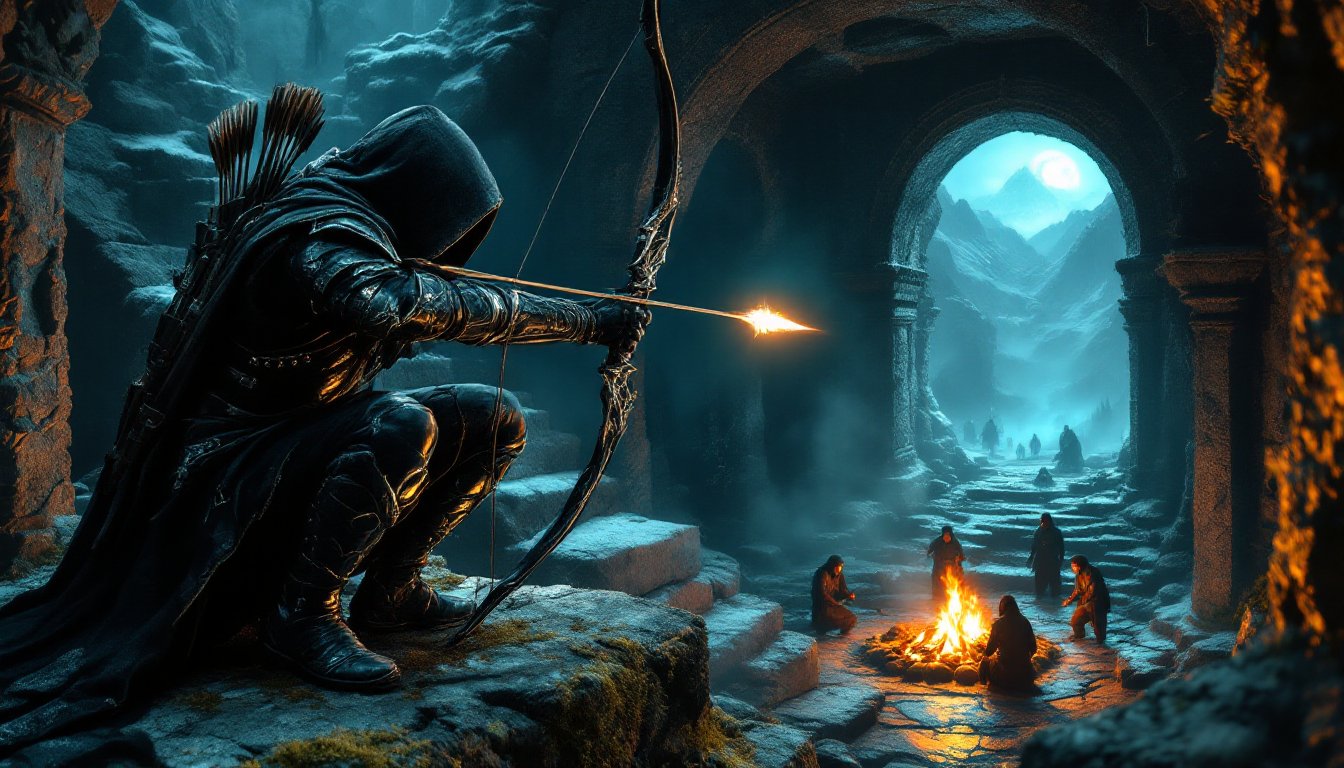
On November 11, 2011, Bethesda dropped The Elder Scrolls V: Skyrim onto an unsuspecting world. What followed wasn’t just a gaming revolution, it was a cultural moment, and much of that magic came from the music. From the first Dovahzul chant of “Dragonborn” to the haunting beauty of “Secunda” drifting through midnight snowfall, Skyrim’s soundtrack became inseparable from the experience itself. Composer Jeremy Soule didn’t just write background music: he crafted an emotional landscape that made every dragon fight feel epic and every quiet moment unforgettable.
Fifteen years later, players still boot up Skyrim to hear those familiar strings and choirs. The music has transcended the game, spawning orchestral concerts, YouTube covers with millions of views, and countless “10-hour ambient” playlists. Whether you’re a veteran Dragonborn revisiting Whiterun or a curious newcomer wondering what all the fuss is about, understanding Skyrim’s soundtrack is key to appreciating why this game refuses to fade into obscurity. Let’s break down what makes these tracks so special, how they work within the game, and where the music lives beyond Tamriel.
Table of Contents
ToggleKey Takeaways
- Jeremy Soule’s Skyrim music masterfully balances orchestral grandeur with strategic silence, using dynamic musical systems that respond to player actions and enhance immersion across the game’s 100+ hour experience.
- The iconic ‘Dragonborn’ main theme achieved unprecedented cultural penetration by integrating the Dovahzul dragon language and Nordic traditions, transcending gaming to become recognized across mainstream media and viral internet culture.
- Skyrim’s soundtrack has become a standalone art form with millions of streams on platforms like Spotify, spawning orchestral concerts, celebrity covers by artists like Lindsey Stirling, and fan orchestral performances worldwide.
- The game’s music employs environmental storytelling through recurring motifs and location-specific themes (Whiterun, Solitude, Windhelm), using musical cues to reinforce gameplay safety, emotional beats, and each city’s distinct personality.
- Music mods through platforms like Nexus Mods allow players to customize their Skyrim audio experience, from Celtic replacements to fantasy soundtrack expansions, while maintaining safety through modern mod managers like Mod Organizer 2.
- Skyrim’s innovative approach to adaptive, ambient game music fundamentally influenced modern RPG composition standards, with titles like The Witcher 3, Elden Ring, and Breath of the Wild adopting similar orchestral philosophies and dynamic scoring systems.
Why Skyrim’s Soundtrack Remains Iconic 15 Years Later
Few game soundtracks achieve genuine staying power. Most fade from memory once the credits roll, but Skyrim’s music is different. It’s the kind of score that players recognize within two notes, the kind that triggers instant nostalgia even for someone who hasn’t touched the game in years.
The secret lies in Soule’s understanding of space and atmosphere. Unlike many RPGs that lean heavily on bombastic orchestration, Skyrim’s music knows when to step back. The vast stretches of silence between musical cues make each track hit harder when it finally arrives. You’re not drowning in constant melody, you’re living in a world where music feels earned, whether it’s the sudden swell of combat drums or the gentle piano of exploration themes.
Timing also played a massive role in the soundtrack’s legacy. Skyrim launched at the perfect intersection of YouTube’s growth, streaming culture, and social media virality. The main theme became a meme, yes, but it also became shorthand for epic adventure. Players started associating specific life moments with Skyrim tracks, studying to “Secunda,” working out to “Dragonborn,” relaxing to “Far Horizons.” The music escaped the game and became part of daily life.
There’s also the compositional quality itself. Soule employed live orchestras, real choirs singing in the dragon language, and a level of production polish that rivaled film scores. This wasn’t MIDI orchestration or synthesized strings, it was the real deal, recorded with the same care as a Hans Zimmer blockbuster. That authenticity is audible, and it’s why the tracks hold up under repeated listens across more than a decade.
The Genius Behind the Score: Meet Composer Jeremy Soule
Jeremy Soule isn’t just another game composer, he’s the guy who essentially defined Western RPG music for a generation. Before Skyrim, he’d already scored Morrowind (2002) and Oblivion (2006), establishing the sonic identity of The Elder Scrolls series. His résumé also includes Guild Wars, Neverwinter Nights, and Total Annihilation. By the time Skyrim rolled around, Soule had mastered the art of creating music that feels ancient and timeless rather than trendy.
Soule’s approach differs from many Hollywood-trained composers who focus on leitmotifs and thematic callbacks. While he does use recurring motifs, the “Dragonborn” theme shows up in various forms throughout the score, his primary goal is environmental storytelling. He wants players to feel the weight of Skyrim’s history, the loneliness of its tundras, and the majesty of its mountains through sound alone.
His use of the Nord choir singing in Dovahzul (the dragon language created for the game) was a stroke of genius. It wasn’t just flavor, it was world-building through music. The chant “Dovahkiin, Dovahkiin, naal ok zin los vahriin” translates to “Dragonborn, Dragonborn, by his honor is sworn,” grounding the player’s identity in the music itself. That level of integration between lore and composition is rare.
Soule’s Musical Philosophy and Approach to Skyrim
Soule has described his philosophy as “organic composition”, letting the music develop naturally rather than forcing it into pre-defined templates. For Skyrim, he spent months immersing himself in Nordic and Scandinavian musical traditions, studying ancient instruments, vocal techniques, and folk melodies. He wasn’t copying them directly but absorbing their essence to create something that felt authentically Nordic without being a historical recreation.
He also championed the idea of “negative space” in game music. Unlike action games where music is constant, Skyrim needed room to breathe. Soule deliberately wrote tracks that could fade in and out dynamically, allowing the game’s ambient sounds, wind, waterfalls, distant wolves, to co-exist with the score. This creates a layered soundscape where music enhances rather than dominates.
Recording took place with the Prague FILMharmonic Orchestra and a 30-voice choir, giving the soundtrack a richness that synthesizers can’t replicate. Soule insisted on live performers because he wanted the slight imperfections and human warmth that come with real instruments. You can hear it in the breathing between choir phrases, the subtle vibrato in the strings, the weight of the brass. It’s these micro-details that make the music feel alive.
Breaking Down the Most Memorable Tracks
Skyrim’s soundtrack contains 53 tracks spanning roughly four hours of music, but a handful have become legendary. These are the pieces that define the Skyrim experience, the ones players hum years later.
Dragonborn (Main Theme): The Anthem That Started It All
“Dragonborn” is the track that launched a thousand memes, and for good reason. Opening with that iconic male choir chanting in Dovahzul over pounding drums, it immediately establishes Skyrim’s Nordic identity. The melody is simple but unforgettable, built on a rising four-note motif that screams heroism and destiny.
The full version clocks in at 3:56, but most players know the first 30 seconds by heart from the main menu screen. It plays during pivotal story moments and major dragon encounters, cementing its role as the player’s personal anthem. The use of the dragon language wasn’t just aesthetic, it reinforced the player’s role as Dovahkiin, the one who can speak and fight like a dragon.
Musically, “Dragonborn” borrows from Nordic folk traditions while maintaining an epic fantasy scale. The percussion mimics war drums, the brass suggests horn calls across frozen battlefields, and the choir evokes ancient warriors preparing for Sovngarde. It’s grand without being overwrought, powerful without feeling generic.
Secunda and the Tranquil Night Ambience
If “Dragonborn” is Skyrim’s war cry, “Secunda” is its lullaby. Named after one of Nirn’s two moons, this 1:48 piece is pure ambient beauty. Soft piano notes drift over gentle strings, creating a melancholic atmosphere perfect for nighttime wandering. Players who enjoy exploring Skyrim’s rich history often cite “Secunda” as the definitive exploration track.
The genius of “Secunda” is its restraint. There’s no melody you can hum, no dramatic crescendo, just a mood. It evokes loneliness without sadness, vastness without emptiness. When this track kicks in while you’re walking through a moonlit forest or standing atop the Throat of the World at midnight, it’s transcendent.
Interestingly, “Secunda” became one of the most-used Skyrim tracks outside the game. Streamers use it for chill background music, students play it while studying, and meditation playlists feature it regularly. It’s proof that game music can function as pure art, independent of its interactive context.
Far Horizons: Exploring Skyrim’s Vast Wilderness
“Far Horizons” is the exploration track that plays when you’re trekking through Skyrim’s wilderness, and it captures the feeling of adventure better than almost any other piece in gaming. The melody is carried by a solo flute that feels both ancient and intimate, backed by swelling strings that suggest endless possibilities.
At 5:27, it’s one of the longer ambient pieces, and it needs that length to develop. The track builds gradually, adding layers of instrumentation as it progresses, like the journey itself. It mirrors the experience of cresting a hill and seeing a new vista unfold, or spotting a distant ruin that promises adventure.
What makes “Far Horizons” special is its sense of optimism. Unlike darker tracks that emphasize danger, this one celebrates discovery. It’s the musical equivalent of that moment when you abandon your quest markers and just wander, letting Skyrim surprise you. Many players who appreciate uncovering ancient mysteries associate this track with their most memorable exploration moments.
The Streets of Whiterun and Other Town Themes
Skyrim’s town themes are criminally underrated. “The Streets of Whiterun” is the standout, a warm 4:02 piece built around a lilting string melody that evokes community and safety. After hours in the wilderness fighting dragons and bandits, hearing this track as you approach Whiterun’s gates feels like coming home.
Each major city has its own musical identity. Solitude’s theme is regal and slightly melancholic, fitting its role as the Imperial capital. Riften’s music has a seedier, more mysterious quality that matches its criminal underbelly. Windhelm’s theme is harsh and militant, reflecting Ulfric’s rebellion. These aren’t just background noise, they’re storytelling tools that reinforce each city’s personality.
The town themes also serve a practical gameplay function: they signal safety. When combat music fades and a town theme swells, players know they can relax, sell loot, and interact with NPCs without watching their backs. It’s Pavlovian conditioning through music, and it works beautifully.
Combat Music: From Tundra Battle to Dragon Encounters
Skyrim’s combat music system is more sophisticated than players might realize. Rather than a single “battle theme,” the game features multiple combat tracks that trigger based on enemy type and location. “Tundra” is the standard wilderness combat theme, driving and percussive but not overwhelming. “Watch the Skies” kicks in during dragon fights, adding choir elements that mirror “Dragonborn” and raising the stakes appropriately.
“One They Fear” is particularly notable, it’s the track that plays when you use your Thu’um in combat, reinforcing your power as Dragonborn through sound. The inclusion of Dovahzul chanting during these moments makes players feel like a living legend rather than just another adventurer.
The combat music also knows when to get out of the way. Tracks fade quickly once threats are eliminated, allowing the ambient soundscape to return. This prevents fatigue and makes each combat encounter feel distinct rather than blending into a four-hour action movie score.
How Skyrim’s Music Enhances Gameplay Immersion
Music in games isn’t just decoration, it’s a core pillar of immersion, and Skyrim demonstrates this better than most. The soundtrack doesn’t just accompany gameplay: it actively shapes how players experience and remember the world.
Dynamic Music Systems and Adaptive Soundscapes
Skyrim uses a dynamic music system that responds to player actions and environmental context. Rather than looping tracks continuously, the game employs a layered approach where musical elements fade in and out based on what’s happening on-screen. This creates an adaptive soundscape that feels reactive rather than predetermined.
For example, when combat starts, the system doesn’t just slam you with a battle theme, it gradually introduces percussion, then brass, building intensity as the fight escalates. If you’re winning, the music maintains energy. If you’re fleeing, it shifts to reflect urgency. When the last enemy falls, combat music doesn’t cut off abruptly: it resolves musically before fading back to ambient exploration tracks.
This system also accounts for location and time of day. Nighttime exploration triggers different tracks than daytime wandering. Being in a dungeon versus open tundra changes the musical palette. Dragon encounters have their own specific cues. The game is constantly adjusting its sonic environment to match the player’s experience, creating seamless transitions that most players never consciously notice, they just feel right.
Critical to this system is silence. Skyrim isn’t afraid to let music drop out completely, allowing ambient sounds, wind, water, wildlife, to take over. These quiet moments make the return of music more impactful. When “Far Horizons” kicks in after ten minutes of ambient environmental audio, it feels like a reward, like the world itself is celebrating your journey.
Emotional Storytelling Through Musical Motifs
Soule uses recurring musical motifs to create emotional through-lines across the game’s 100+ hour playtime. The four-note ascending motif from “Dragonborn” appears in subtle variations throughout the score, sometimes triumphant, sometimes reflective. These callbacks create subconscious connections between different moments in the player’s journey.
The music also tells stories that dialogue can’t. The mournful quality of certain dungeon tracks suggests tragedy before you find any environmental storytelling. The triumphant swell when you complete a major quest validates your achievement better than any NPC congratulations. The peaceful resolution of town themes provides emotional release after tense adventures.
Players who understand what Skyrim is fundamentally about recognize how the music reinforces the game’s core themes: ancient power, personal destiny, and the weight of history. The score makes you feel like you’re participating in events that will echo through the ages, even when you’re just collecting butterfly wings for an alchemy recipe.
Where to Listen to Skyrim Music Outside the Game
The beauty of Skyrim’s soundtrack is that it’s become a standalone art form, enjoyed by millions who may never play the game.
Official Soundtrack Releases and Streaming Platforms
The official Skyrim Original Game Soundtrack was released digitally on iTunes, Spotify, Apple Music, and other platforms shortly after the game’s launch. It contains 53 tracks and clocks in at roughly four hours. The album is organized not by in-game function but by mood, making it perfect for listening outside the game context.
In 2016, Bethesda also released the Skyrim Special Edition, which came with a remastered version of the soundtrack featuring improved audio quality. For audiophiles and collectors, this is the definitive version, though the differences are subtle unless you’re using high-end equipment.
Physical CD versions were produced but are now relatively rare, commanding premium prices on second-hand markets. Vinyl releases have been rumored but never officially produced by Bethesda, though bootleg versions circulate among collectors.
Streaming the soundtrack has become incredibly popular. Spotify playlists dedicated to Skyrim music have millions of followers, and YouTube hosts countless uploads including extended versions, hour-long loops, and “ambience” mixes that combine music with environmental sounds. According to data from major gaming outlets like IGN, Skyrim’s soundtrack regularly ranks among the most-streamed game OSTs.
Fan Covers, Orchestral Performances, and Remixes
The fan community has embraced Skyrim’s music with remarkable creativity. YouTube is flooded with covers ranging from solo piano arrangements to full orchestral recreations. Artists like Lindsey Stirling (violin), Peter Hollens (a cappella), and Malukah (vocals) have produced Skyrim covers with millions of views each.
Video Games Live and similar concert series have featured Skyrim music in live orchestral performances worldwide. These events bring the score to concert halls, complete with choirs singing in Dovahzul and visual accompaniment from the game. Attending one of these performances is bucket-list material for serious fans.
Remixes and reinterpretations span every genre imaginable, metal covers, EDM remixes, lo-fi hip-hop beats, Celtic folk versions. Some stay faithful to Soule’s originals while others completely reimagine the themes. The Skyrim Acoustic Covers genre has become particularly popular, stripping away the orchestration to reveal the melodic bones of these compositions.
Fan orchestras like the London Philharmonic Orchestra have included Skyrim tracks in their “Greatest Video Game Music” albums, and the music has been performed at events like The Game Awards and E3. This mainstream recognition cements Skyrim’s soundtrack as not just good game music, but good music, period.
Modding Skyrim’s Music: Custom Soundtracks and Replacers
Skyrim’s modding community is legendary, and music mods are a vibrant subset. Whether you want to enhance Soule’s original vision or completely overhaul the sonic experience, there’s a mod for that.
Popular Music Mods to Enhance Your Experience
Several music mods have achieved classic status among the Skyrim modding community. Personalized Music by Azyix remains one of the most popular, allowing players to assign specific tracks to different gameplay situations, you can choose exactly what plays during combat, exploration, tavern visits, and more. It’s perfect for players who have strong preferences about when certain tracks should trigger.
Celtic Music in Skyrim replaces Soule’s Nordic orchestration with Celtic-inspired folk music, completely changing the game’s tonal identity. It’s controversial, purists hate it, but players seeking a fresh experience after hundreds of hours often love it. Similarly, The Witcher 3 Music Overhaul imports music from CD Projekt Red’s masterpiece, creating an interesting cross-pollination of two fantasy worlds.
For players who want to expand rather than replace, Fantasy Soundtrack Project adds over 100 new tracks that complement Soule’s originals. These fan compositions aim to match the quality and style of the vanilla soundtrack while providing more variety during long play sessions. Companions who accompany players through various locations, similar to Skyrim’s diverse follower roster, benefit from this added musical variety.
Sounds of Skyrim technically isn’t a music mod but deserves mention, it dramatically enhances ambient environmental audio, making the moments between music tracks richer and more immersive. The interplay between enhanced ambience and musical cues creates a more dynamic soundscape.
The modding hub Nexus Mods hosts hundreds of music-related mods ranging from subtle audio improvements to complete overhauls, giving players unprecedented control over their auditory experience.
How to Install and Manage Music Mods Safely
Installing music mods is generally safer than gameplay mods since they rarely affect save files or scripts, but there are still best practices to follow.
Step 1: Choose a mod manager. Use Mod Organizer 2 or Vortex rather than installing mods manually. These tools let you enable/disable mods without permanently altering game files, making troubleshooting infinitely easier.
Step 2: Read the mod description carefully. Check compatibility notes, required files (some music mods require SKSE or SkyUI), and installation instructions. Music mods can conflict if they try to replace the same files, so understand what each mod does.
Step 3: Install and activate. Download through your mod manager and activate the mod. For music mods, this typically involves replacing audio files in the game’s Data folder, your mod manager handles this automatically.
Step 4: Adjust load order if needed. Music mods rarely have complex load order requirements, but if you’re running multiple audio mods, the one loaded last will take priority for overlapping files.
Step 5: Test in-game. Boot up Skyrim and verify the mod is working. Trigger different gameplay situations (combat, town visits, wilderness exploration) to ensure new tracks are playing as intended.
Step 6: Backup your game. While music mods are low-risk, always maintain backups of your vanilla game files and save data. If something breaks, you can roll back without losing progress.
One pro tip: create a custom music profile using Mod Organizer 2. This lets you swap between vanilla Skyrim audio, modded configurations, and experimental setups without reinstalling anything. It’s perfect for players who want different auditory experiences for different playthroughs.
The Cultural Impact of Skyrim’s Music on Gaming
Skyrim’s soundtrack didn’t just succeed within its own game, it changed expectations for what game music could be and how it could resonate in broader culture.
Before Skyrim, game soundtracks were largely considered supplementary to the “real” aspects of game development. Post-Skyrim, the industry recognized that music could be a primary selling point and a key component of a game’s identity. The success of Soule’s score encouraged publishers to invest more heavily in original orchestral compositions rather than licensing existing music or settling for cheaper synthesized alternatives.
The “Dragonborn” meme phenomenon also demonstrated how game music could penetrate mainstream internet culture. The chant became recognizable even to non-gamers, appearing in viral videos, commercials, and social media content. This level of cultural penetration is rare for game music, previously, only iconic themes like Super Mario Bros. or The Legend of Zelda achieved similar recognition.
Skyrim’s music also influenced how players engage with games emotionally. The soundtrack created countless personal memories, players associate specific tracks with meaningful in-game moments or real-life periods when they were playing. This emotional resonance keeps players returning years later, and it’s a big reason why Skyrim has maintained relevance across multiple console generations.
The commercial success of the soundtrack (it sold impressively as a standalone product) proved to publishers that game music has value beyond the game itself. This paved the way for more robust soundtrack releases, vinyl pressings, concert tours, and crossover appeal. Major outlets like Rock Paper Shotgun have frequently cited Skyrim’s music in discussions about the greatest game soundtracks ever produced.
Finally, Skyrim’s approach to adaptive, ambient scoring influenced countless RPGs that followed. Games like The Witcher 3, Dragon Age: Inquisition, Breath of the Wild, and Elden Ring all employ similar philosophies: orchestral quality, dynamic music systems, and strategic use of silence. Soule’s work on Skyrim essentially codified the modern open-world RPG sound.
Conclusion
Fifteen years on, Skyrim’s soundtrack remains a masterclass in video game composition. Jeremy Soule created something that transcends its medium, music that functions brilliantly within the game’s systems while also standing alone as compelling art. From the thunderous call of “Dragonborn” to the quiet beauty of “Secunda,” these tracks have become the sonic identity of an entire generation of RPG players.
The music’s longevity speaks to its quality and emotional depth. It’s not just nostalgia that keeps players listening, it’s the genuine craftsmanship, the thoughtful integration of lore and world-building, and the perfect balance between grandeur and restraint. Whether you’re booting up the game for your first playthrough or your fiftieth, whether you’re listening on Spotify during a work session or attending a live orchestral performance, Skyrim’s music continues to deliver.
For a game that’s been ported to everything from refrigerators to smart watches (okay, slight exaggeration), the one constant across every platform and edition is the soundtrack. It’s the element that Bethesda can’t improve with updated graphics or new features because it was already perfect. And that’s the ultimate testament to Soule’s achievement, he created something timeless the first time around.