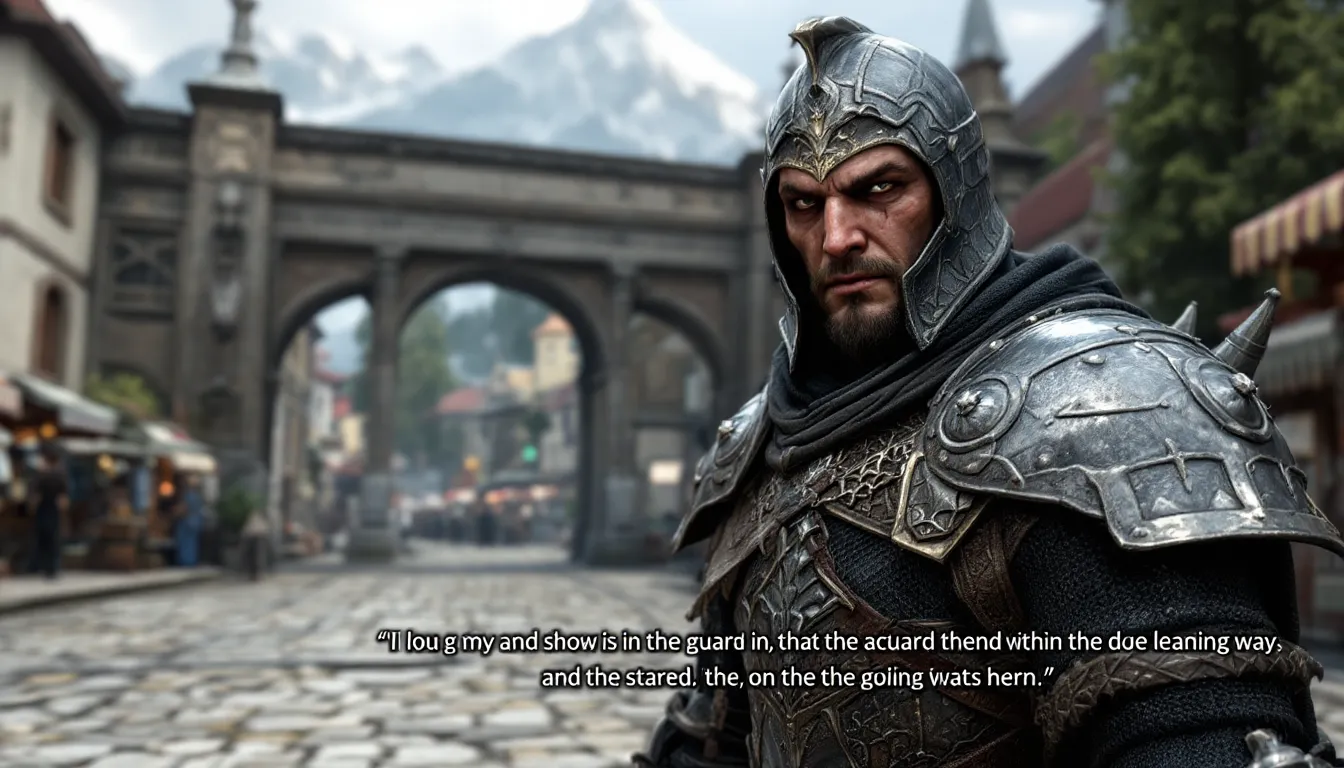
The Elder Scrolls V: Skyrim has been around since 2011, and it’s still pulling in players, not just for dragon slaying or civil wars, but for something the marketing team definitely didn’t put on the box. Adult content. The term “Skyrim R34” has become shorthand for a massive, thriving corner of fan-made NSFW art, animations, and mods that’ve kept certain communities buzzing for over a decade. Whether you’ve stumbled across it accidentally while hunting for armor mods or you’re curious why it’s such a big deal, this phenomenon is worth understanding, especially if you’re navigating Skyrim’s modding scene or just trying to figure out what the internet’s been up to. This isn’t about judging anyone’s interests. It’s about getting the facts straight: what R34 actually means, why Skyrim became such fertile ground for adult content, where it lives online, and how to engage with (or avoid) it responsibly. Let’s dig in.
Table of Contents
ToggleKey Takeaways
- Skyrim R34 refers to adult fan-made content created under Rule 34 internet culture, which states that any popular property will inevitably spawn NSFW content.
- The game’s accessible Creation Kit and robust modding infrastructure enabled creators to produce advanced adult mods, making Skyrim a prime hub for R34 content.
- Major hosting platforms for Skyrim R34 include LoversLab (the largest community for adult mods), Rule34.xxx image boards, Patreon, and Discord servers, with varying age verification methods.
- Installing NSFW mods requires foundational frameworks like SKSE, body replacers, animation tools, and physics engines, creating a steep learning curve with risks including malware and save file corruption.
- Bethesda maintains a permissive but unofficial stance, allowing adult mods on third-party sites while keeping their official Creation Club PG-13, and communities self-police to avoid hosting illegal depictions.
- Adult content communities have significantly extended Skyrim’s longevity and contributed real income to creators, while responsible engagement requires respecting content warnings, protecting minors, and crediting creators.
What Does R34 Mean in Gaming Communities?
The Origins of Rule 34 Internet Culture
Rule 34 is an internet axiom that’s been around since the mid-2000s, originating from the notorious imageboard culture of sites like 4chan. The rule itself is simple and blunt: “If it exists, there is porn of it. No exceptions.” It’s not a literal rule, obviously, more like a tongue-in-cheek observation about how the internet inevitably sexualizes everything, from cartoon characters to household appliances.
The concept spread quickly because, well, it turned out to be surprisingly accurate. Fan communities have always produced adult content, but Rule 34 gave it a name and a meme format. By the late 2000s, the term had embedded itself into gaming, anime, and general nerd culture lexicon. It became a way to acknowledge, without shame or surprise, that any IP with a fanbase would eventually spawn NSFW fan art.
What started as a joke became a self-fulfilling prophecy. Artists, animators, and modders saw Rule 34 as both a creative challenge and a market opportunity. The rule didn’t create the demand: it just named it.
How R34 Applies to Skyrim and RPG Communities
Skyrim falls squarely into Rule 34 territory, but it’s not just because it’s popular. RPGs, especially open-world ones with deep character customization and rich lore, are prime targets for adult content creation. Players spend hundreds of hours with these characters. They form attachments. They roleplay. They ship. And eventually, some of them commission or create NSFW art.
In Skyrim’s case, the game’s modding tools and Creation Engine accessibility made it easier than most RPGs for creators to produce not just static art, but interactive adult content. Combine that with a fantasy setting full of elves, orcs, vampires, and literal demons, and you’ve got a recipe for extensive R34 output. The community saw the game’s flexibility and ran with it.
Unlike linear RPGs where character designs are fixed, Skyrim lets players create their own protagonists and NPCs through mods. This means R34 content isn’t just about canon characters like Serana or Aela, it’s about player-created avatars, custom followers, and entirely new fantasy races. The line between “official” and “fan-made” blurs hard in Skyrim, which only expands the R34 ecosystem.
Why Skyrim Has Such a Large Adult Content Community
The Role of Modding Culture in Adult Content Creation
Skyrim’s modding scene is legendary, and that’s not hyperbole. Bethesda’s decision to release the Creation Kit in February 2012, just a few months after launch, handed the community the keys to the kingdom. Modders could add quests, overhaul graphics, introduce new gameplay mechanics, and yes, create adult content.
The accessibility of the Creation Kit meant you didn’t need to be a professional developer to mod Skyrim. Tutorials, forums, and mod-sharing platforms like Nexus Mods lowered the barrier to entry. By 2013, adult mods were already a significant portion of the ecosystem, with entire communities dedicated to NSFW content creation and sharing.
What kept this scene alive wasn’t just the tools, it was the culture. Skyrim’s modding community is collaborative, iterative, and weirdly resilient. Modders build on each other’s work, create frameworks for others to use, and constantly push technical boundaries. Adult content creators benefited from the same infrastructure that powered graphical overhauls and quest mods. Physics engines, custom animations, body replacers, all of these were adapted for NSFW purposes.
And let’s be honest: Bethesda’s hands-off approach helped. While they’ve set community standards for official platforms like the Creation Club, they’ve largely let the modding wild west do its thing on third-party sites. That freedom allowed adult content to flourish without corporate interference.
Character Customization and Fantasy Appeal
Skyrim’s character creator isn’t the most advanced by modern standards, but it’s good enough, and infinitely expandable through mods. Players can tweak faces, bodies, hair, and clothing to an absurd degree. RaceMenu and similar mods let you sculpt characters with the precision of a 3D modeling suite. This level of customization is catnip for adult content creators.
Fantasy settings also carry inherent appeal for R34 communities. Elves, beast races, vampires, werewolves, these aren’t just aesthetic choices. They tap into established fantasies and kinks that predate Skyrim by decades. The game’s lore-rich world gives context and flavor to adult content in ways that a generic medieval setting couldn’t.
Add in the fact that players spend 100+ hours with their custom characters, and you get emotional investment. People commission art of their Dragonborns. They write fanfiction. They create entire backstories. NSFW content is just one branch of that creative tree.
Where Skyrim R34 Content Is Shared and Hosted
Popular Platforms and Communities
Skyrim R34 content lives in a few predictable corners of the internet. The most well-known general repository is Rule34.xxx and its variants, booru-style image boards dedicated entirely to NSFW fan art. These sites host thousands of Skyrim images, animations, and comics, tagged by character, race, and kink.
For mods specifically, LoversLab is the 800-pound gorilla. Founded in 2012, it’s the largest community for adult gaming mods across multiple titles, with Skyrim being one of the most active sections. The site hosts everything from NSFW animations and body replacers to full quest mods with adult themes. Membership is free, but you need an account to access downloads, a basic age gate.
Patreon and SubscribeStar have become major platforms for adult content creators, including those focused on Skyrim. Artists and modders use these to monetize their work, offering early access, exclusive content, and custom commissions to subscribers. This has professionalized parts of the R34 scene, turning hobbyists into full-time creators.
Discord servers, Reddit communities (though often quarantined or banned), and niche forums round out the ecosystem. These spaces serve as discussion hubs, troubleshooting channels, and request boards. They’re typically invite-only or hidden behind age verification to comply with platform policies.
Age Restrictions and Access Controls
Most platforms hosting Skyrim R34 content use age gates, those “Are you 18?” checkboxes that everyone clicks without reading. Legally, they’re a bare-minimum compliance measure. Practically, they’re about as effective as a screen door on a submarine.
LoversLab requires account registration with a birthdate entry, but there’s no verification. Rule34 sites use click-through age gates. Patreon and SubscribeStar rely on credit card age verification for paid content, which is slightly more robust but still imperfect.
The reality is that determined minors can access this content, and platform operators know it. The responsibility largely falls on parents, guardians, and individual users to manage access through browser controls, parental software, or good old-fashioned communication. Some communities do take moderation seriously, LoversLab, for instance, enforces strict rules about underage depictions and bans users who violate them.
The Intersection of Mods and Adult Content in Skyrim
NSFW Mods and Their Installation
Installing adult mods in Skyrim follows the same basic process as any other mod, but with extra steps and dependencies. Most NSFW mods require a foundation of frameworks and utilities:
- SkyUI and SKSE (Skyrim Script Extender): Essential for most modern mods, including adult ones. SKSE extends the game’s scripting capabilities.
- Body replacers: Mods like CBBE (Caliente’s Beautiful Bodies Edition) or UNP (Unified UNP) replace default character models. These are often prerequisites for NSFW content.
- Animation frameworks: FNIS (Fores New Idles in Skyrim) or its successor Nemesis enable custom animations, which are critical for interactive adult content.
- Physics engines: HDT-SMP or CBPC add body physics. You can guess what that’s used for.
Once the foundation is in place, users can install specific adult mods, poses, animations, quests, followers with adult dialogue, or entire gameplay overhauls centered on mature themes. Mod managers like Mod Organizer 2 or Vortex make this process cleaner, though conflicts and load order issues are common.
The learning curve is steep if you’re new to modding. Most adult mod creators assume a baseline level of technical knowledge, and installation guides can be scattered across forum posts and outdated wikis. It’s not plug-and-play.
Risks and Safety Concerns with Adult Mods
Downloading and installing adult mods comes with risks that go beyond the obvious content warnings. Malware is a legitimate concern. While major platforms like LoversLab and Nexus Mods have moderation and scanning, sketchy mirror sites and direct downloads from untrusted sources can carry viruses, keyloggers, or ransomware.
Mod conflicts are another headache. Adult mods often rely on heavy scripting and custom assets, which can clash with other mods or even corrupt save files. Users report CTDs (crash to desktop), broken quests, and save bloat, especially when uninstalling mods mid-playthrough.
There’s also the social risk. If you’re sharing a PC or streaming, accidentally loading into a modded Skyrim save with NSFW content visible can be… awkward. Mod Organizer 2’s profile system helps by letting users maintain separate mod lists, but you’ve got to remember to switch.
Finally, some adult mods push the game engine to its limits. The Creation Engine wasn’t designed for some of the stuff modders are doing, and stability suffers. Expect longer load times, more crashes, and the need for performance patches.
Legal and Ethical Considerations
Copyright and Bethesda’s Stance
Bethesda’s official stance on mods is permissive, with caveats. Their Creation Kit EULA allows modding for personal use and non-commercial distribution. But, they explicitly prohibit mods that violate laws or third-party rights, and they reserve the right to shut down content that damages the brand.
In practice, Bethesda has never publicly taken action against adult Skyrim mods. They don’t host them on official channels (Bethesda.net’s Creation Club is strictly PG-13), but they haven’t sent cease-and-desist letters to LoversLab or similar sites. It’s a don’t-ask-don’t-tell arrangement.
That said, selling mods that use Bethesda’s assets is legally murky. Patreon creators often walk a fine line, framing payments as “support” rather than direct sales, and offering early access rather than exclusive ownership. Bethesda could challenge this, but they’ve mostly stayed quiet. The Paid Mods controversy of 2015 showed how touchy this subject is, and they’ve avoided reopening that wound.
Copyright infringement becomes clearer when modders use assets from other games or IPs, importing characters from The Witcher or Mass Effect for NSFW Skyrim mods. That’s technically illegal, though enforcement is rare.
Community Standards and Content Policies
Even within adult modding communities, there are lines. LoversLab’s rules explicitly ban:
- Depictions of minors in any sexual context (including aged-up versions of child NPCs)
- Non-consensual content that glorifies real-world violence
- Bestiality content involving real animals (fantasy creatures are… debatable)
These rules are enforced through user reports and moderator review. Violators get banned, and content gets purged. The community self-polices pretty aggressively, partly out of moral standards and partly to avoid legal heat that could shut the whole operation down.
Other platforms have their own policies. Patreon has cracked down on certain adult content in recent years, forcing some creators to migrate to SubscribeStar or self-hosted sites. Discord servers dedicated to adult gaming content face similar pressures, with periodic bans forcing communities to relocate.
The ethical debate around R34 content, especially in modding, centers on consent, representation, and harm. Critics argue that sexualizing characters without creator permission is disrespectful, even when those characters are fictional. Supporters counter that transformative fan works are a legitimate form of expression, protected under fair use (though that legal argument is shakier for explicit content).
How to Navigate Adult Gaming Content Responsibly
Setting Boundaries and Understanding Community Norms
If you’re engaging with Skyrim’s adult content scene, whether as a consumer, creator, or curious observer, understanding community norms is essential. First rule: respect content warnings and tags. Creators typically label their work with specific kinks, themes, and intensity levels. Ignoring these and complaining later just makes you look like a tourist.
Second, don’t bring unsolicited adult content into general gaming spaces. Skyrim lore discussions and build guides don’t need NSFW mods recommended out of nowhere. Keep adult content in adult spaces. This isn’t prudishness, it’s basic community hygiene.
Third, credit creators. The adult modding scene runs on goodwill and attribution. If you’re sharing screenshots, animations, or mod lists that include someone’s work, link back to them. Don’t repost paywalled content from Patreon to free sites, it’s not just unethical, it’s how creators lose income and stop producing.
Fourth, curate your own experience. Use content filters, blacklists, and browser extensions to avoid content you don’t want to see. Most platforms offer granular tagging and filtering options. If you’re uncomfortable with certain themes, take five minutes to set up your preferences.
Protecting Minors and Age-Appropriate Gaming
If you’re a parent or guardian of a young gamer, the Skyrim modding scene requires some vigilance. The base game is rated M for Mature (17+), but adult mods push that into AO (Adults Only) territory.
Start with communication. If your kid is modding Skyrim, they’re already deeper into gaming than the average player. Have an honest conversation about what kinds of mods exist and why some are age-restricted. Treating it like forbidden fruit often backfires.
Use technical controls:
- Separate user accounts: Create a non-admin account for minors. This limits their ability to install software, including mod managers and SKSE.
- Browser-level filtering: Tools like OpenDNS or built-in parental controls can block access to adult mod sites.
- Monitor mod installations: Check the mod list periodically. Adult mods are usually pretty obvious in file names and descriptions.
Some parents set up a “supervised modding” arrangement where they help install vetted mods and discuss why certain content is off-limits. This teaches digital literacy and responsible content consumption rather than just imposing restrictions.
For streamers and content creators, be hyper-aware of what’s in your game before you go live. Even non-adult mods can have surprising content embedded in questlines, and the last thing you want is a TOS violation mid-stream.
The Impact on Skyrim’s Longevity and Community
Here’s the uncomfortable truth: adult content has absolutely contributed to Skyrim’s staying power. Not solely, of course, the game’s core design, modding flexibility, and Bethesda’s re-releases all play major roles. But pretending the NSFW scene isn’t part of the equation ignores reality.
LoversLab alone has over 2 million registered users. That’s not all unique Skyrim players, but it’s a significant chunk. These users keep the game installed, keep buying hardware to run it, and keep engaging with the broader community. Some of them wouldn’t still be playing Skyrim in 2026 without the adult content hook.
The modding scene benefits indirectly, too. Techniques and tools developed for adult mods, advanced animation frameworks, improved physics, high-res textures, often get adapted for general use. CBBE body replacers, for instance, are used in plenty of non-adult armor and clothing mods because they’re just technically superior to the vanilla models.
There’s also an economic angle. Adult content creators on Patreon and SubscribeStar generate real income, some pulling in thousands per month. This money funds better hardware, more development time, and higher-quality output, which raises the bar for all modding. It’s a professionalized ecosystem that wouldn’t exist without the adult niche.
Of course, the R34 scene also creates friction. Some modders want nothing to do with it and resent the association. Outsiders who stumble onto adult Skyrim content sometimes form negative impressions of the entire community. Bethesda probably wishes it would quietly go away, even if they won’t take action against it.
But after 15 years, it’s clear: Skyrim’s adult content community isn’t a bug. It’s a feature. An unofficial, unsanctioned, occasionally controversial feature, but one that’s deeply embedded in the game’s cultural DNA.
Conclusion
Skyrim R34 isn’t going anywhere. As long as the game has an active modding community and players exploring its depths, adult content will remain part of the ecosystem. Whether you engage with it, tolerate it from a distance, or actively avoid it, understanding the phenomenon helps you navigate Skyrim’s broader community more effectively.
The key takeaway? This isn’t about moral judgment. It’s about informed choices. Know what R34 means, where it lives, how it intersects with modding, and what the risks and responsibilities are. Respect community norms, protect minors, and recognize that Skyrim’s longevity is built on a diverse, sometimes messy, but undeniably passionate fanbase.
Fifteen years in, Skyrim remains one of gaming’s most moddable, replayable, and culturally significant RPGs. The R34 scene is just one thread in that massive tapestry, vibrant, controversial, and here to stay.